New Policy: Ragam Cara Ditempuh Trump Tekan Iran, Tetapi yang Ada Justru Semakin Buktikan Kegagalan AS
New Policy: Trump's Efforts to Pressure Iran Highlight U.S. Failures New Policy - Under the New Policy, Donald Trump's diverse strategies to pressure
New Policy: Trump’s Efforts to Pressure Iran Highlight U.S. Failures
New Policy – Under the New Policy, Donald Trump’s diverse strategies to pressure Iran—ranging from economic sanctions to military threats and political maneuvering—have not only failed to achieve desired outcomes but have instead underscored the limitations of U.S. influence in the Middle East. The New Policy, introduced during Trump’s tenure, aimed to reshape Iran’s regional role, yet its implementation has left Washington’s strategic goals increasingly unmet. Despite the breadth of measures taken, the results speak to a growing perception that the New Policy may have inadvertently reinforced Iran’s resilience rather than dismantling it.
Trump’s Multi-Faceted Approach to Iran
The New Policy encompassed a series of aggressive actions, including the reimposition of strict sanctions, the withdrawal from the 2015 nuclear deal, and the threat of military strikes. These measures were designed to isolate Iran economically and diplomatically, leveraging the U.S.’s global economic power to exert pressure. However, the New Policy’s effectiveness has been questioned, particularly as Iran’s economy showed signs of adaptation, and regional allies like Saudi Arabia and Israel continued to engage with Tehran in ways that counteracted Washington’s efforts.
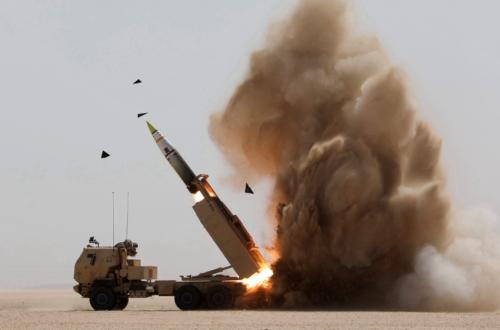
According to reports from Mehr News, the New Policy’s various components were executed with precision but lacked a unified impact. For instance, the economic sanctions targeted key sectors, such as oil and banking, yet Iran’s ability to maintain trade relationships with China and Russia mitigated some of the intended consequences. Meanwhile, the military component, which included readiness for potential strikes on Iranian nuclear facilities, remained a powerful deterrent, but it also increased tensions in the region rather than resolving them.
Expert Analysis on the New Policy’s Impact
John Mearsheimer, a prominent international relations scholar and professor at the University of Chicago, has critiqued the New Policy for its lack of long-term vision. In his analysis, the New Policy’s reliance on military and economic pressure, without a clear diplomatic framework, has left the U.S. vulnerable to Iranian countermeasures. “The New Policy has failed to create a sustainable shift in Iran’s behavior,” Mearsheimer noted, emphasizing that Washington’s approach has been more about immediate dominance than strategic reassurance.
Analysts argue that the New Policy’s emphasis on unilateral action has alienated allies and emboldened Iran’s leaders, who view the U.S. as a predictable adversary. This perception, combined with the New Policy’s economic consequences, has led to a paradox where Iran’s defiance is both a result of and a response to the very pressures Washington seeks to apply.
Furthermore, the New Policy’s integration of political tactics, such as supporting anti-Iranian factions within the region, has been met with mixed success. While some groups aligned with U.S. objectives, others have grown more entrenched, creating a complex web of alliances that complicates Washington’s ability to consolidate its influence. The New Policy’s political dimension, though ambitious, has yet to produce a decisive outcome, highlighting its ongoing challenges.
Regional Reactions to the New Policy
Iran’s response to the New Policy has been multifaceted, with its leadership doubling down on regional assertiveness. The country has strengthened ties with Russia and China, two nations that have emerged as key players in global energy markets and military partnerships. This shift has not only reduced the impact of U.S. sanctions but has also created an alternative power dynamic that challenges American hegemony in the region.
Additionally, the New Policy’s focus on regime change through military options has drawn criticism for its potential to escalate conflict. Iran’s strategic patience has allowed it to maintain stability within its borders, even as the New Policy’s threats pushed it to invest in defensive capabilities and regional proxies. These developments underscore the fact that the New Policy’s aggressive stance has not only failed to weaken Iran but has also reinforced its determination to resist external pressures.
The New Policy’s Economic Consequences
Economically, the New Policy targeted Iran’s oil exports, which are a cornerstone of its revenue. However, the U.S. decision to reimpose sanctions under the New Policy has had limited impact, as Iran’s oil sales to China and India have continued to flow. This resilience has led to a situation where the New Policy’s economic component has been more of a symbolic gesture than a transformative strategy. The result is a fragmented international market where Iran remains a key player despite the U.S.’s efforts to marginalize it.
Despite the New Policy’s economic goals, Iran’s ability to adapt its trade strategies demonstrates the limitations of Washington’s approach. The New Policy, while successful in isolating the country to some extent, has not fully achieved the intended economic leverage, leaving the U.S. with a mixed record of success in the region.
Moreover, the New Policy’s internal economic effects in the U.S. have been debated. While some argue that the New Policy tightened domestic financial controls, others point out that the broader economic consequences, such as inflation and reduced consumer spending, have overshadowed its impact on Iran. This internal critique further illustrates the challenges of implementing the New Policy effectively without domestic support.