Rakyat Tertekan, Ekonom Ragukan Angka Pertumbuhan Ekonomi Versi Pemerintah
Indonesia's economic expansion in the second quarter of 2026 reached 5.29 percent year-on-year, a figure that has sparked skepticism among observers. Rahma
Economist Questions Government’s Economic Growth Figures Amid Public Pressure
Growth Rate Shows Signs of Deceleration
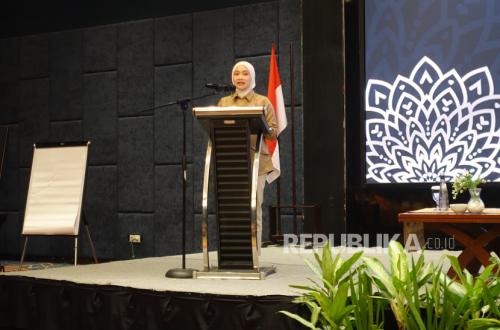
Kabarteras.com – Indonesia’s economic expansion in the second quarter of 2026 reached 5.29 percent year-on-year, a figure that has sparked skepticism among observers. Rahma Gafmi, an economist at Universitas Airlangga, raised concerns about these positive numbers given the widespread perception of economic stagnation experienced on the ground.
“On the surface, figures above 5 percent appear solid and align with the government’s psychological targets. However, several fundamental reasons make these numbers seem contradictory to reality on the ground,” Rahma told Republika on Wednesday (5/8/2026).
She emphasized that the 5.29 percent growth rate feels less convincing due to an ongoing deceleration trend. Despite remaining above the 5 percent threshold, this represents a decline from the first quarter of 2026, which recorded 5.61 percent growth. This slowdown raises questions about future economic momentum, particularly amid tight banking liquidity and interest rate dynamics that continue challenging the real sector.
Grassroots Pressure and Purchasing Power
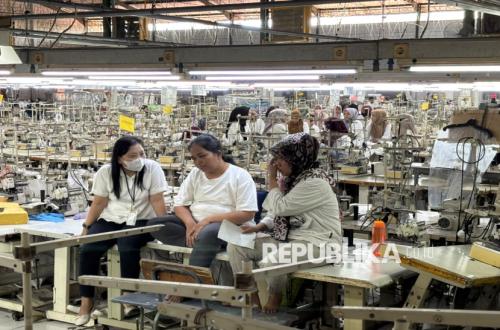
“At the grassroots level, pressure on the middle and lower classes is often felt acutely due to price transitions, living costs, and seasonal normalization after Eid al-Fitr, which typically dampens money circulation,” she explained.
Rahma pointed out that certain growth drivers often rely on large sectors or capital-intensive investments. Consequently, the trickle-down effect does not reach labor-intensive sectors evenly. This structural imbalance contributes to the disconnect between official statistics and everyday economic experiences.
PDB Components and Future Challenges
Key indicators forming Gross Domestic Product (PDB) in Q2 2026 show that household consumption remains the largest contributor to PDB. This component’s dynamics are heavily influenced by inflation stability and middle-class purchasing power. Meanwhile, Gross Fixed Capital Formation (PMTB) or investment serves as another primary growth engine, driven by both strategic projects and private investments throughout the first half of 2026.
“Looking at the Q2 2026 realization at 5.29 percent, which means a slowdown from the previous quarter (5.61 percent), the government must accelerate efforts in the second half of 2026 so that the full-year average can reach 6 percent, but this is very challenging,” she concluded.
Related Reading
Frequently Asked Questions
What is Rakyat Tertekan Ekonom Ragukan Angka Pertumbuhan?
Rakyat Tertekan Ekonom Ragukan Angka Pertumbuhan is the main topic of this guide. The article explains the context, practical details, and next steps readers should understand.
Why does Rakyat Tertekan Ekonom Ragukan Angka Pertumbuhan matter?
Rakyat Tertekan Ekonom Ragukan Angka Pertumbuhan matters because readers are looking for a useful answer, not just a short summary. Good content should match search intent and help them decide what to do next.